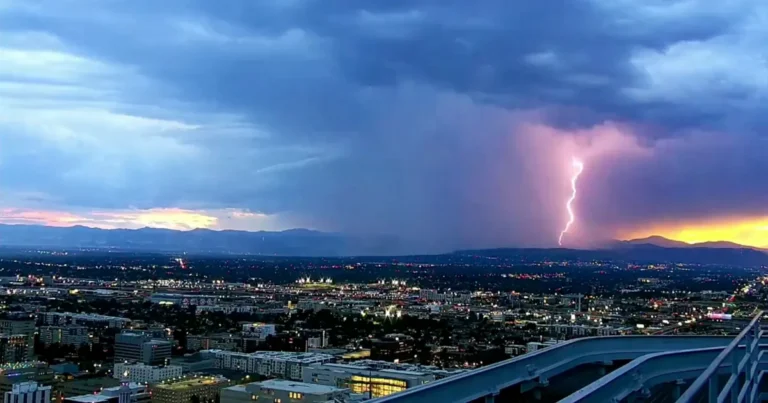
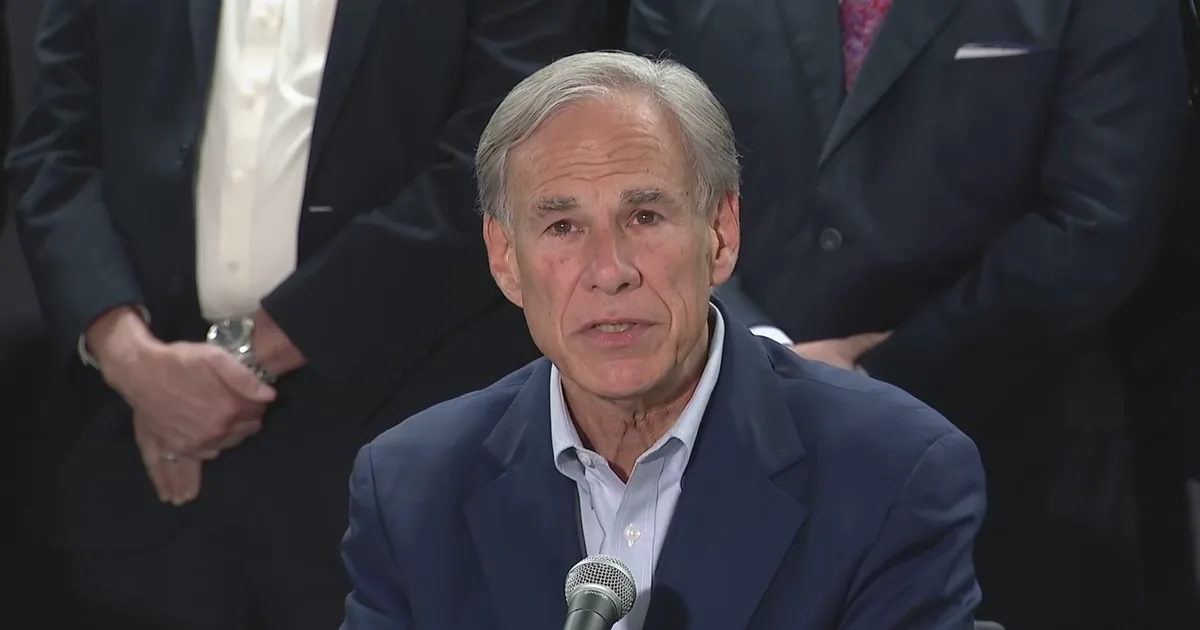
AUSTIN, TX — Gov. Greg Abbott on Sunday ordered the Texas Division of Emergency Management to activate state response resources as a large storm system moves across much of Texas. Forecasters said the weather threat could bring hurricane-force winds, giant hail and tornadoes, with the worst conditions expected to continue through Monday morning. The system stretches across West, North, East, Central and South-Central Texas and is also expected to bring heavy rain. Officials warned the storms could create dangerous flash flooding in some areas.
Storm Threat Across Texas
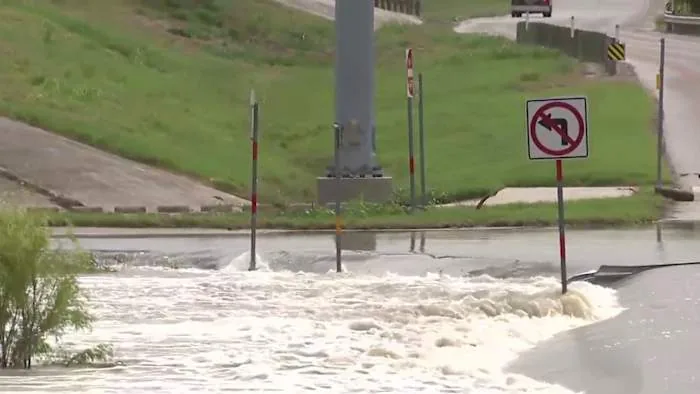
The forecast calls for wind gusts above 75 mph and hail larger than 2 inches in diameter in some locations. Rain totals of 3 to 6 inches are possible in isolated areas, raising concerns about flooding on roads and in low-lying spots. Abbott said Texas is prepared to deal with the severe storms and urged residents to keep up with local weather reports. He also reminded drivers not to cross flooded roads, repeating the familiar warning, “Turn Around, Don’t Drown.”
The storm threat is not expected to stay in one region. As the system moves east, the risk is expected to shift toward the South and Southeast Texas coasts. That broader footprint means communities across a wide stretch of the state may need to stay alert as conditions change from hour to hour. Officials said the timing and intensity could vary by area, but the potential for damaging wind, hail and flooding remains widespread.
State Teams Prepositioned
Abbott said a range of state assets has been deployed to support local responders. Those resources include swiftwater and floodwater rescue boat squads, along with urban search and rescue teams from Texas A&M Task Forces 1, 2 and 3. The state also has helicopters with hoist capability from the Department of Public Safety and Texas Parks and Wildlife ready to assist, along with Tactical Marine Units.
Other crews are being staged to help with cleanup and transportation issues. Texas Forest Service saw crews are prepared to clear debris from roads, and Texas Department of Transportation personnel are monitoring highway conditions. Emergency medical task forces with ambulances and all-terrain vehicles are also part of the response. State officials said the goal is to give local communities added support if the storms cause blocked roads, stranded motorists or other emergencies.
Utilities And Infrastructure
The state’s response also includes monitoring for possible service interruptions. Public Utility Commission staff are watching for power outages and coordinating with utilities if the storms affect electricity service. Officials said state agencies are also tracking Texas’ natural gas supply and water quality as the weather system moves through. Those checks are meant to help identify any problems quickly if the storms damage infrastructure or disrupt essential services.
Because the weather is expected to spread across such a large area, state leaders are urging residents to prepare before conditions worsen. Emergency officials recommended putting together emergency kits in advance and checking road conditions before any travel. The advice also includes staying alert for flood-prone routes and avoiding unnecessary driving once heavy rain and high winds begin to increase risk.
How Residents Can Prepare
Abbott’s office said Texans should monitor local forecasts closely and use DriveTexas.org before heading out on the road. The site provides current highway information that can help drivers avoid flooded or closed routes. Officials emphasized that even brief periods of intense rain can make travel dangerous, especially when water covers streets or visibility drops during storms. They also encouraged people to be ready for possible power outages and disruptions to normal routines.
The governor’s announcement was based on information from the Governor Greg Abbott press office. State response crews remain on alert as the storm system continues moving through the state and the threat shifts across different regions. With wind, hail, tornadoes and flooding all in the forecast, emergency managers are asking residents to stay informed and take the warnings seriously.